JUMPER pelvic floor rehabilitation solution for postpartum pelvic floor health

Can Pelvic Floor Problems Cause Urinary Incontinence? Types, Symptoms, and Rehabilitation Support

Quick Answer Yes, pelvic floor problems may be related to urinary incontinence. However, the cause is not always simple muscle weakness. Some women may have a hypertonic pelvic floor, where the pelvic floor muscles are too tense or have difficulty relaxing. Others may have a hypotonic pelvic floor, where the muscles are weak or provide reduced support. Some women may experience a mixed pelvic floor problem, with both tightness and weakness symptoms at the same time. Understanding the type of pelvic floor problem is important because different symptoms may need

Read More »
Fingertip pulse oximeter usage guide for accurate SpO2 measurement

5 Common Pulse Oximeter Mistakes at Home and How to Get More Reliable Readings

A pulse oximeter is a simple device that allows users to check blood oxygen saturation (SpO₂) and pulse rate within seconds. While taking a measurement is easy, the results can sometimes be affected by how the device is used. Factors such as cold fingers, body movement, and incorrect placement may influence the reading. By avoiding a few common mistakes, users can make their measurements more consistent and get a better understanding of their daily health data.   1. Using a Pulse Oximeter With Cold Fingers Cold fingers are one of

Read More »
Pregnant woman having her blood pressure measured by a healthcare professional

What Recent Research Tells Us About Hypertension During Pregnancy and Child Development

Hypertensive disorders of pregnancy can affect more than maternal blood pressure. Recent research has explored whether conditions such as gestational hypertension and preeclampsia may also be associated with children’s early motor, cognitive and language development. Although these findings do not mean that every affected pregnancy will lead to developmental difficulties, they further highlight the importance of early identification, appropriate clinical management and continued follow-up. What Are Hypertensive Disorders of Pregnancy? Hypertensive disorders of pregnancy include: These conditions differ in severity and clinical presentation. Some women may experience headaches, visual disturbances,

Read More »
Older woman performing pelvic floor exercises while seated on a yoga mat

Can Older Women Still Improve Their Pelvic Floor Muscles?

Pelvic floor dysfunction, or PFD, is a common health concern among middle-aged and older women. As women age, declining estrogen levels and gradual changes in the pelvic support tissues may lead to symptoms such as urinary leakage, pelvic organ prolapse, vaginal dryness, or discomfort during intercourse. These problems should not simply be accepted as a normal part of aging. With professional assessment and appropriate pelvic floor rehabilitation, pelvic floor function may still improve during perimenopause and after menopause. Common Pelvic Floor Problems in Older Women 1. Urinary Incontinence Urine leakage

Read More »
JUMPER physical therapy devices for pain relief and rehabilitation

Who Can Benefit from a Home TENS Therapy Device?

As home healthcare continues to grow, more people are looking for convenient ways to manage muscle tension, occasional body discomfort, and recovery needs at home. A home electrotherapy device can offer a practical and non-invasive option for daily wellness and rehabilitation support. By delivering gentle electrical pulses through electrode pads placed on the skin, a home electrotherapy device may help support pain relief, muscle stimulation, relaxation, and recovery management. Depending on the model, it may include TENS, EMS, massage, or multiple preset therapy modes. Office Workers Long hours of sitting,

Read More »
JUMPER portable mesh nebulizer with mask and carrying case

Portable Nebulizer for Travel: What to Know Before You Buy

Portable Nebulizer for Travel: What to Know Before You Buy Traveling with respiratory care needs can be challenging, especially when you need a nebulizer that is easy to carry, quiet to use, and simple to clean outside the home. A portable nebulizer for travel should do more than save space. It should make treatment more convenient in hotels, during business trips, family holidays, and daily outdoor situations. A nebulizer turns liquid medication into a fine mist that can be inhaled through a mask or mouthpiece. For users who need nebulizer

Read More »
Blood pressure monitor features including display, memory, cuff size and heart health

How to Choose the Right Blood Pressure Monitor for Home Use

Monitoring blood pressure at home has become an important part of daily health management for many families. Whether you are managing hypertension, tracking changes after lifestyle adjustments, or helping an older family member stay aware of their cardiovascular health, choosing the right blood pressure monitor can make home monitoring easier and more consistent. However, not all blood pressure monitors are the same. Some are designed for simple daily checks, while others offer memory storage, irregular heartbeat detection, Bluetooth connectivity, or multi-user tracking. The right choice depends on who will use

Read More »
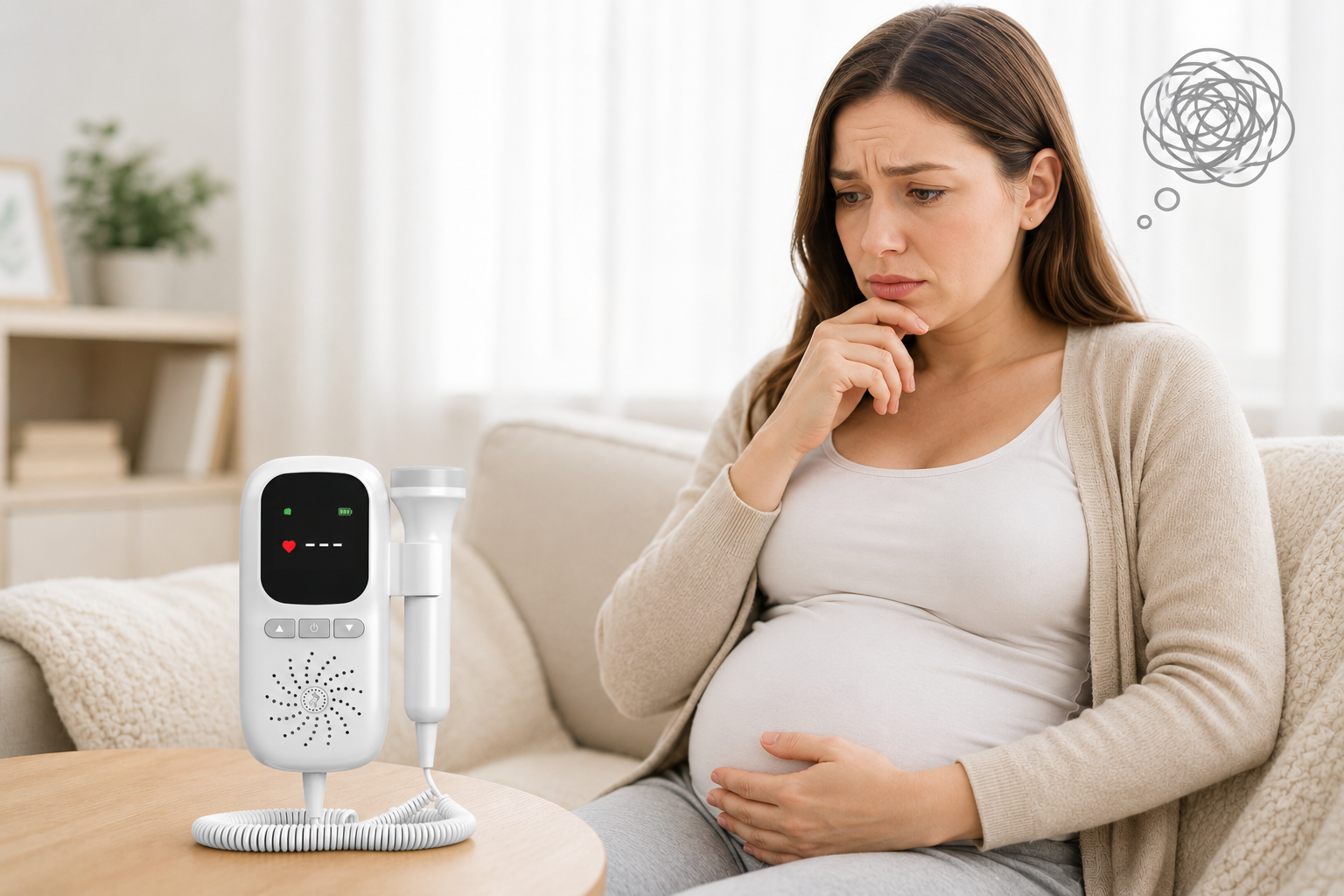
Concerned pregnant woman beside a home fetal Doppler

Why Can’t I Find My Baby’s Heartbeat with a Fetal Doppler?

Hearing your baby’s heartbeat for the first time can be an exciting and reassuring experience during pregnancy. However, many expectant parents become concerned when they cannot immediately locate the heartbeat using a fetal Doppler. The good news is that difficulty finding a baby’s heartbeat with a fetal Doppler is common, especially in early pregnancy. In most cases, it does not indicate a problem with the pregnancy. In this guide, we’ll explain the most common reasons why you may not be able to find your baby’s heartbeat and provide practical tips

Read More »
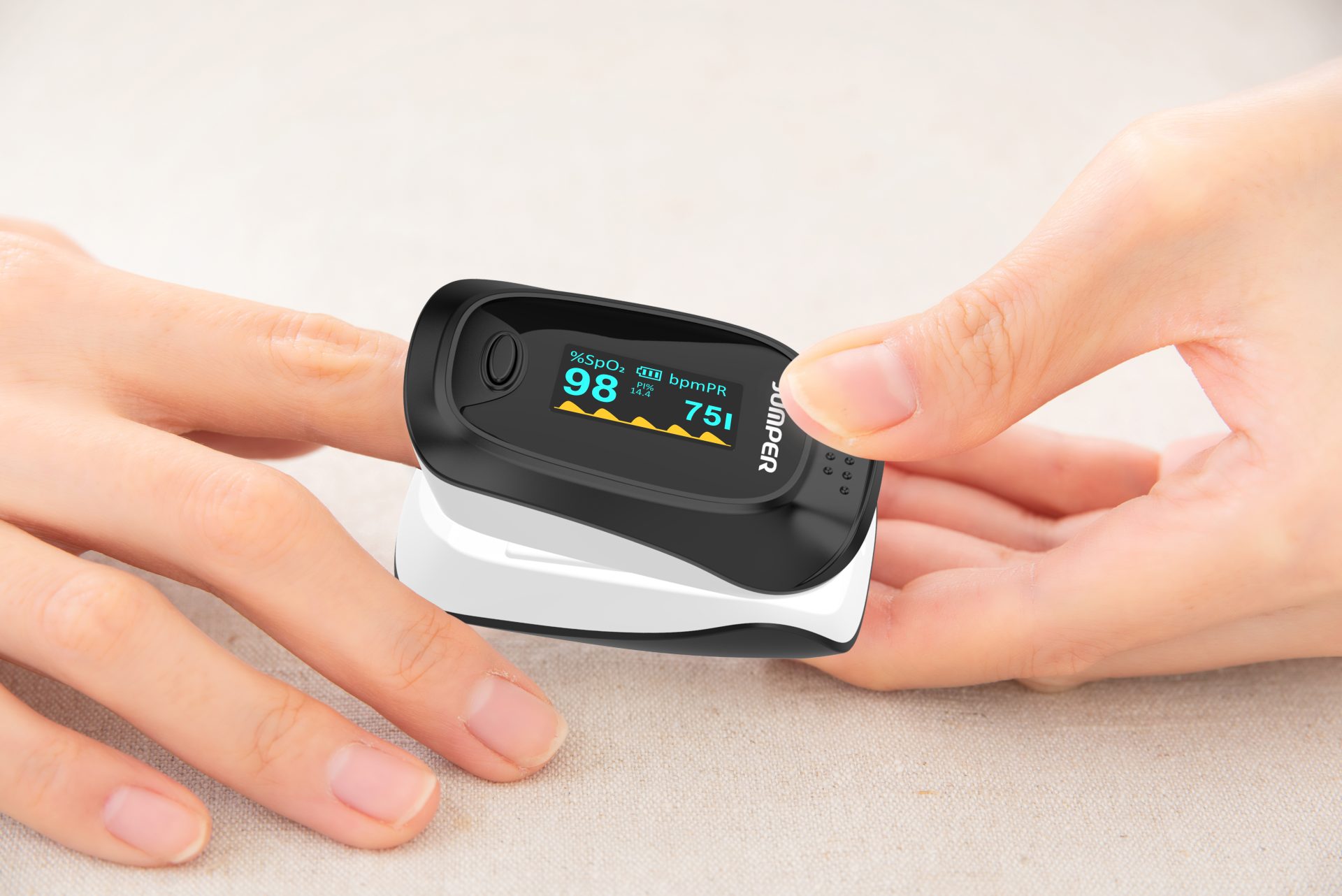
JUMPER JPD-500D OLED fingertip pulse oximeter in use

SpO₂, PR & PI Explained | Complete Pulse Oximeter Guide for Accuracy, Normal Range & Clinical Use

A pulse oximeter is a widely used medical device for monitoring oxygen levels and cardiovascular status in real time. Whether used in hospitals, home care, or remote patient monitoring (RPM), its reliability depends on three core physiological indicators: SpO₂, PR, and PI. This guide explains each parameter in depth, including meaning, normal range, and clinical relevance—optimized for both users and healthcare buyers. 1. SpO₂ (Blood Oxygen Saturation) — Key Indicator of Oxygen Supply What is SpO₂? SpO₂ measures the percentage of oxygen-saturated hemoglobin in arterial blood. It reflects how efficiently

Read More »
JUMPER BFS200A body fat scale in a home setting

How to Get Accurate Results Every Time You Step on a Scale

A bathroom scale is a simple yet essential tool for monitoring body weight, managing health goals, and tracking fitness progress. However, inaccurate usage can lead to misleading results. To ensure reliable and consistent readings, follow the practical guidelines below. 1. Weigh Yourself Under Consistent Conditions Body weight naturally fluctuates throughout the day. To improve accuracy: 👉 Consistency is the key factor in reliable weight tracking. 2. Place the Scale on a Flat, Hard Surface The surface directly affects measurement accuracy: 👉 A stable setup ensures more precise and repeatable results.

Read More »