

Why Seniors Should Monitor Oxygen Levels Regularly
As we age, maintaining healthy oxygen levels becomes increasingly important. Oxygen supports every major organ in the body — especially the brain, heart, and lungs. For older adults, even mild drops in oxygen saturation (SpO2) may affect energy levels, sleep quality, mobility, and overall well-being. Regular oxygen monitoring can help

How Early Can You Hear a Baby’s Heartbeat?
Hearing your baby’s heartbeat is one of the most meaningful milestones during pregnancy. It often brings reassurance and helps parents feel more connected to their baby. But many expecting parents ask the same question: how early can you actually hear it? The answer depends on pregnancy stage, detection method, and
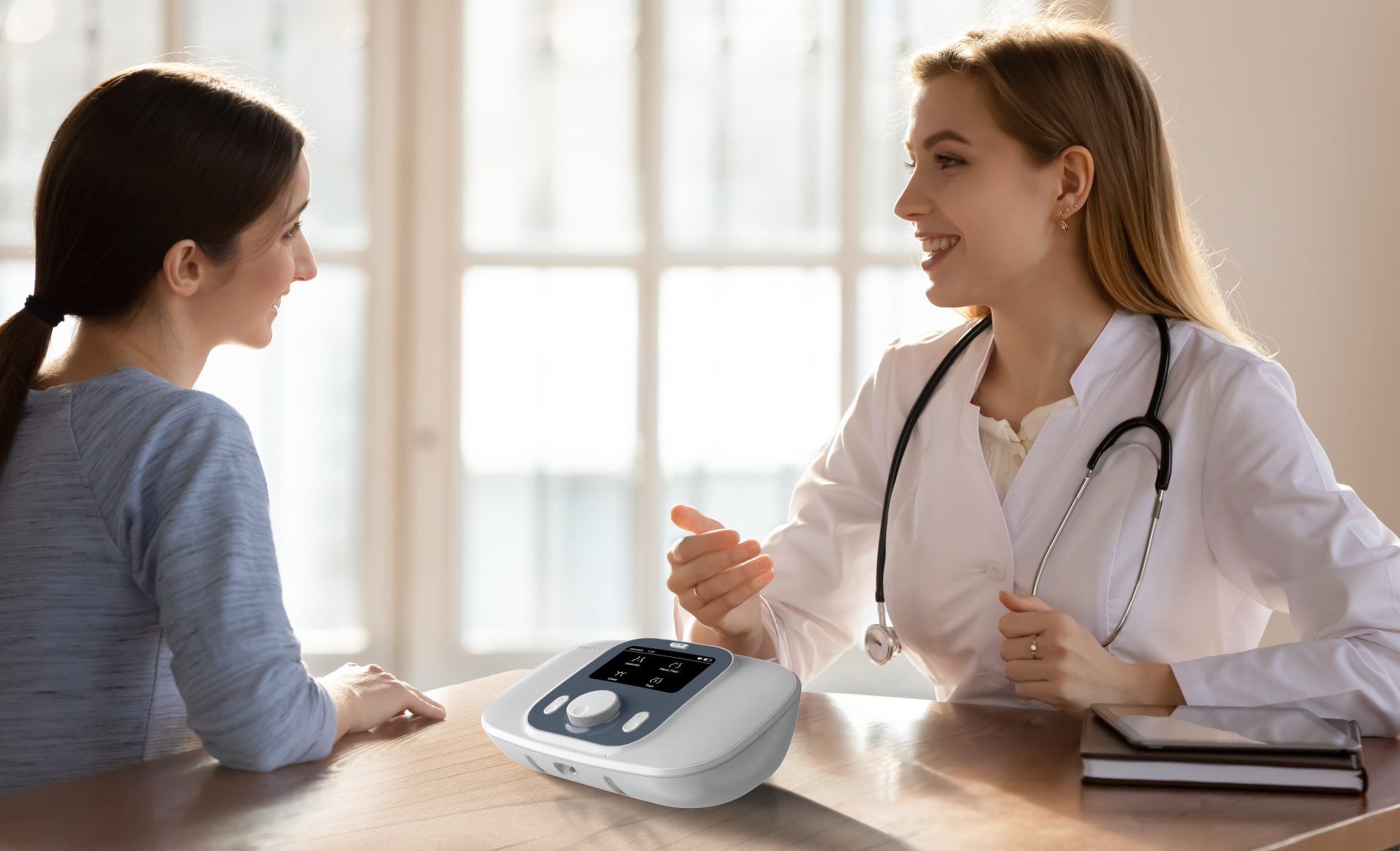
What Is Pelvic Floor Therapy? A Complete Guide for Women’s Health and Recovery
Pelvic floor therapy is becoming an increasingly important part of women’s healthcare — especially for postpartum recovery, urinary incontinence, and pelvic muscle weakness. Yet many people still don’t fully understand what pelvic floor therapy is, how it works, or who actually needs it. This guide explains everything you should

TENS Therapy Device: What It Is, How It Works, and Who It Is For
What is a TENS therapy device? A TENS therapy device (Transcutaneous Electrical Nerve Stimulation device) is a small electronic unit that uses low-voltage electrical impulses to help reduce pain. It is commonly used in both clinical rehabilitation and home pain management. Electrodes are placed on the skin near the painful

How to Choose the Best Body Fat Scale for Home Use
Choosing a body fat scale for home use sounds straightforward, but once you start comparing options, the differences quickly become clear. It’s no longer just about weight—what matters is how well a device helps you understand your body over time. A good scale should fit naturally into your routine and
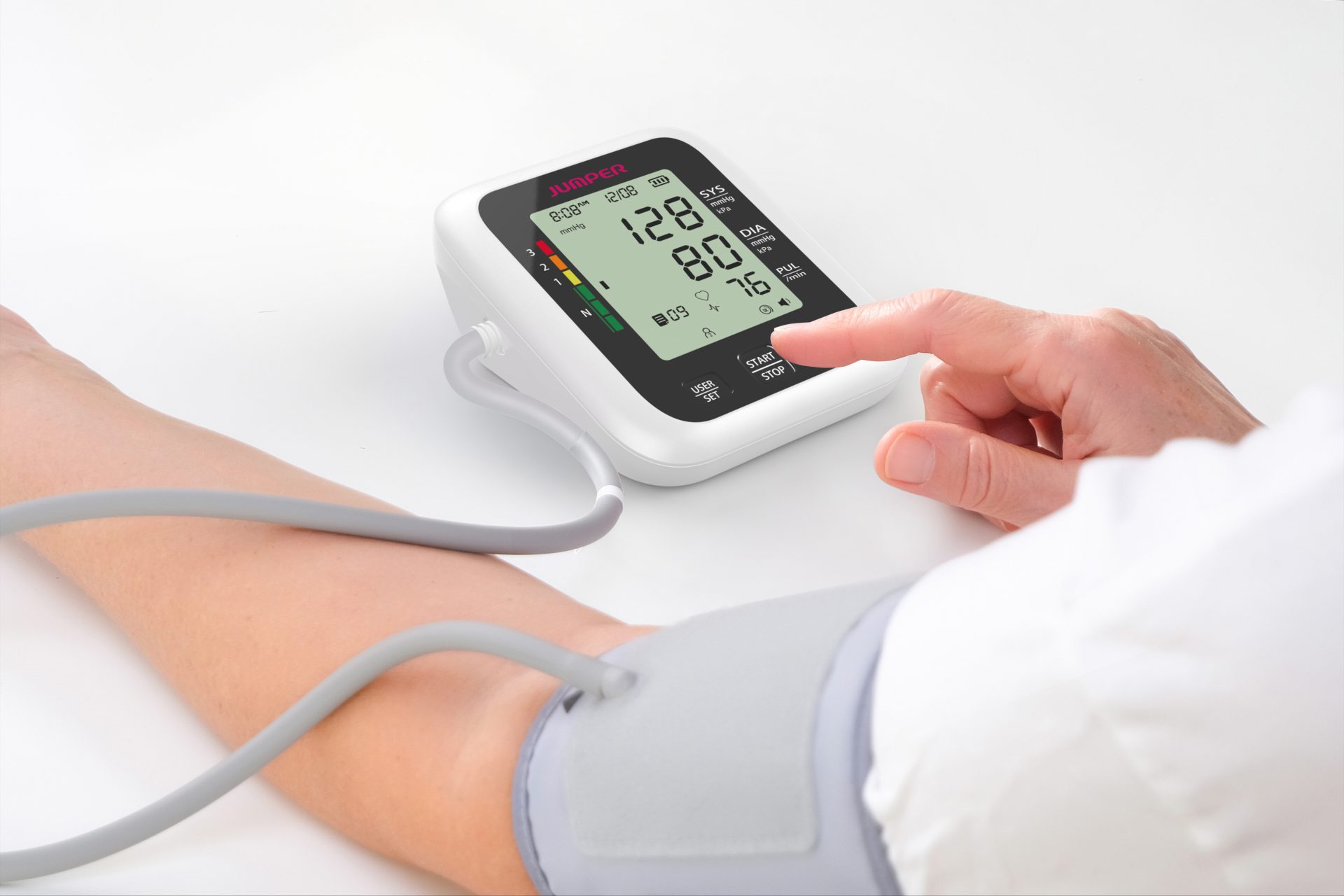
Does Blood Pressure Differ Between Left and Right Arm?
Blood pressure readings may vary between the left and right arm. This is a well-documented physiological phenomenon observed in clinical practice. In most individuals, the inter-arm difference is small, typically within 5–10 mmHg, and is not clinically significant. Slight differences between arms may be associated with: Such variation