
Quick Answer: Early Signs of AFib include:
Heart palpitations or irregular heartbeat
Unusual fatigue or weakness
Shortness of breath
Dizziness or lightheadedness
Chest discomfort or pressure
Reduced exercise capacity
No symptoms at all (silent AFib)
Atrial fibrillation affects more than 33 million people worldwide and increases the risk of stroke by about five times. Recognizing the early warning signs can help people seek medical care sooner and prevent serious complications.
What Is Atrial Fibrillation?
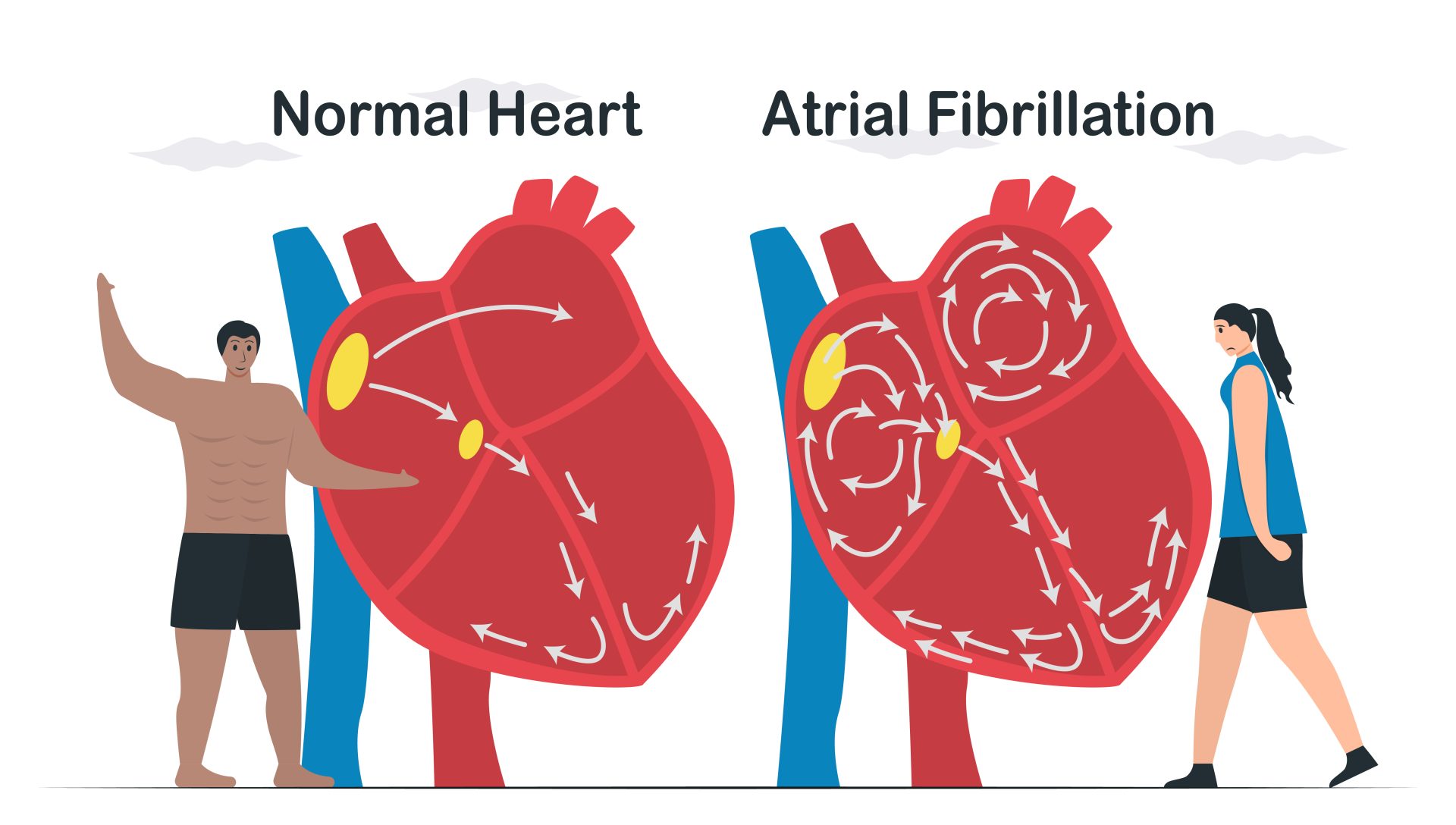
Atrial fibrillation (AFib) is the most common type of heart rhythm disorder, in which the upper chambers of the heart (atria) beat irregularly and often rapidly.
Instead of contracting normally, the atria quiver. This disrupts normal blood flow and can cause blood to pool in the heart, increasing the risk of blood clots, stroke, and heart failure.
According to the American Heart Association, AFib is one of the leading causes of stroke worldwide, especially in adults over the age of 50.
7 Signs of Atrial Fibrillation
1. Heart Palpitations
One of the most common signs of AFib is heart palpitations, which feel like a racing, pounding, or fluttering heartbeat.
People often describe it as:
- A rapid heartbeat without exercise
- A fluttering feeling in the chest
- A heartbeat that skips or feels irregular
These episodes may last seconds, minutes, or hours. If they happen frequently, it is helpful to measure your blood pressure and pulse during the episode and share the information with your doctor.
2. Unusual Fatigue
AFib can make the heart pump less efficiently, meaning the body receives less oxygenated blood.
Many patients report:
- Feeling exhausted after mild activity
- Low energy throughout the day
- Slower recovery after exercise
Studies suggest that more than half of AFib patients experience persistent fatigue as one of their symptoms.
3. Shortness of Breath
When the heart rhythm becomes irregular, blood circulation may become less effective. This can lead to shortness of breath, especially during physical activity.
You may notice:
- Difficulty climbing stairs
- Becoming winded during normal exercise
- Breathlessness when lying flat
Shortness of breath occurs because the heart is not pumping blood as efficiently as it should.
4. Dizziness or Lightheadedness
An irregular heartbeat can reduce the amount of blood reaching the brain.
This may cause:
- Dizziness
- Lightheadedness
- Feeling unsteady
- Near-fainting episodes
These symptoms should not be ignored, particularly if they occur together with heart palpitations.
5. Chest Discomfort
Some people with AFib experience chest pressure or discomfort, especially when the heart rate becomes very fast.
Symptoms may include:
- Tightness in the chest
- Pain spreading to the arm, jaw, or shoulder
- Chest discomfort with sweating or nausea
Chest pain should always be treated as a medical emergency, as it may indicate a heart attack.
6. Reduced Exercise Capacity
AFib can make everyday physical activity feel much harder than usual.
You might notice that:
- You tire faster during workouts
- Your heart rate feels unusually high during mild activity
- Activities that were once easy become challenging
This drop in exercise tolerance can be an early sign that your heart rhythm is not functioning normally.
7. Silent AFib (No Symptoms)
One of the most dangerous aspects of AFib is that some people have no symptoms at all.
Research suggests that up to one-third of AFib cases are “silent”, meaning people are unaware of the condition until a serious complication—such as a stroke—occurs.
Because AFib can appear intermittently, it may not always be detected during a routine medical checkup.
Who Is at Higher Risk of AFib?
Several factors increase the risk of developing atrial fibrillation:
- Age over 40–50
- High blood pressure
- Heart disease
- Diabetes
- Obesity
- Sleep apnea
- Excessive alcohol consumption
High blood pressure is considered one of the strongest risk factors, which is why regular blood pressure monitoring is important for long-term heart health.
Why Early Detection Matters
AFib increases stroke risk because irregular heartbeats allow blood to pool and form clots in the heart.
If a clot travels to the brain, it can block blood flow and cause a stroke.
Early detection allows doctors to:
- Prescribe medications that reduce stroke risk
- Control heart rate or rhythm
- Monitor heart health more effectively
Recognizing symptoms early can significantly improve treatment outcomes.
How Home Monitoring Can Help
Because AFib can come and go, it may not always be detected during a short ECG test at the clinic.
Some modern blood pressure monitors now include AFib screening technology, which can detect irregular pulse patterns during routine measurements.
Devices such as the HAA30 blood pressure monitor with AFib detection allow users to check their blood pressure and screen for irregular rhythms at home. Keeping regular records of these measurements can provide helpful information for healthcare professionals.
FAQ About Atrial Fibrillation
Can AFib go away on its own?
Some early episodes may stop on their own, but many people require medical evaluation and treatment.
Is atrial fibrillation life-threatening?
AFib itself is not always immediately life-threatening, but it significantly increases the risk of stroke and heart failure.
Can a blood pressure monitor detect AFib?
Some advanced monitors include AFib screening algorithms that can identify irregular pulse patterns. However, they cannot replace a medical ECG diagnosis.
When should I see a doctor?
You should seek medical attention if you experience:
- Frequent palpitations
- Severe dizziness or fainting
- Chest pain
- Persistent shortness of breath
Chest pain or fainting should be treated as an emergency.
Atrial fibrillation is a common but serious heart rhythm disorder. Because symptoms can be subtle—or even absent—many people do not realize they have AFib until complications occur.
Understanding the warning signs and monitoring your cardiovascular health regularly can help detect potential problems earlier and support better heart health.